Why I Never Skip My Weekly Acupuncture and Massage Routine
Have you ever felt tension melting away after a deep tissue massage or noticed your energy shifting during acupuncture? I’ve been sticking to a weekly routine for over two years—and the difference is real. It’s not magic, but a grounded practice that supports recovery, balance, and daily well-being. This isn’t about quick fixes; it’s about consistency. The body responds not to dramatic interventions, but to repeated, intentional care. Over time, small acts of attention accumulate into lasting change. If you're curious how such routines can reshape your health from the inside out, let’s explore what science and personal experience have to say.
The Hidden Cost of Ignoring Body Signals
Many people live with low-grade discomfort as if it were normal. A stiff neck after long hours at the desk, sore shoulders from carrying children or groceries, persistent headaches that come and go—these are often dismissed as inevitable parts of life. But the truth is, these signals are not random inconveniences. They are messages from the body, indicating imbalance, accumulated stress, or inefficient recovery. When ignored, minor tensions can evolve into chronic conditions that affect mobility, sleep, and emotional well-being. The problem isn’t just physical strain; it’s the cultural habit of pushing through discomfort instead of listening to it.
Modern lifestyles often prioritize productivity over restoration. Long commutes, sedentary work, and constant mental demands leave little room for physical recovery. As a result, many turn to temporary solutions—over-the-counter pain relievers, heating pads, or occasional spa visits—without addressing the root causes. While these methods may offer momentary relief, they rarely resolve underlying muscle tightness, nerve irritation, or systemic inflammation. What’s missing is a proactive approach to maintenance, one that treats the body not as a machine to be repaired only when broken, but as a living system that thrives on regular care.
Rehabilitation is not just for injury recovery. It’s a vital component of long-term wellness. Just as brushing your teeth prevents cavities, consistent bodywork helps prevent the slow buildup of physical stress. Ignoring early signs—like stiffness in the mornings or fatigue by midday—can lead to deeper dysfunction over time. The body adapts to strain by altering posture, gait, and breathing patterns, which may seem harmless at first but can create imbalances that compound over months or years. Recognizing these subtle shifts allows for earlier intervention, reducing the risk of more serious issues down the line.
For women between 30 and 55, this phase of life often brings multiple physical demands—raising children, managing households, advancing careers—all while navigating hormonal changes that affect muscle tone, joint health, and energy levels. In this context, listening to the body becomes even more essential. Chronic tension isn’t a sign of weakness; it’s a sign that the system is overloaded. Addressing it early through mindful practices like acupuncture and massage isn’t indulgence—it’s intelligent self-care. The cost of ignoring these signals isn’t just physical pain; it’s diminished quality of life, reduced resilience, and a growing sense of being disconnected from one’s own body.
What Acupuncture Actually Does (Beyond the Needles)
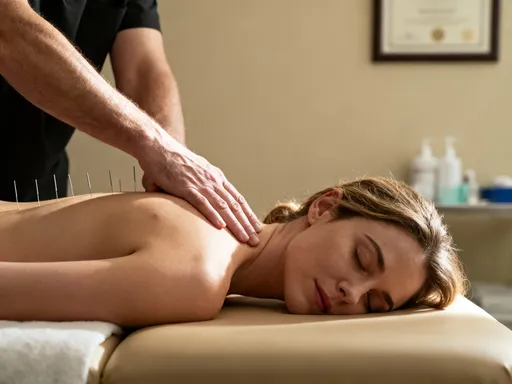
Acupuncture is often misunderstood as an ancient ritual with mystical properties, but its effects are increasingly supported by modern science. At its core, acupuncture involves the precise insertion of fine, sterile needles into specific points on the body—points that correspond to neural pathways, muscle trigger zones, and areas rich in connective tissue. These points are not arbitrary; decades of research have shown they often align with areas of high electrical conductivity and dense nerve endings. When stimulated, they send signals to the central nervous system, prompting measurable physiological responses.
One of the most well-documented effects of acupuncture is its role in modulating pain. Studies have demonstrated that needle insertion triggers the release of endorphins—natural opioids produced by the brain that reduce pain perception and promote a sense of calm. This isn’t a placebo effect; brain imaging shows actual changes in activity within regions associated with pain processing. Additionally, acupuncture has been shown to reduce levels of inflammatory markers such as interleukin-6 and C-reactive protein, suggesting it plays a role in calming systemic inflammation, which is linked to chronic pain, fatigue, and even mood disorders.
Another key benefit lies in nervous system regulation. Many people in this age group experience stress-related tension—tight jaw, clenched shoulders, shallow breathing—all signs of a sympathetic nervous system stuck in “fight or flight” mode. Acupuncture helps activate the parasympathetic branch, promoting relaxation and improving heart rate variability, a marker of resilience. This shift isn’t just psychological; it has real physical consequences, including lower blood pressure, improved digestion, and better sleep quality. Over time, regular sessions can help recalibrate the body’s stress response, making it easier to recover from daily demands.
For those dealing with repetitive strain—whether from typing, lifting, or household chores—acupuncture supports recovery by improving local circulation. Enhanced blood flow brings oxygen and nutrients to overworked tissues while removing metabolic waste products that contribute to soreness and stiffness. This makes it particularly effective for conditions like tension headaches, lower back tightness, and shoulder discomfort. It’s not a cure-all, but when used consistently, it becomes a powerful tool for maintaining balance. The needles themselves are not the magic; it’s the body’s intelligent response to targeted stimulation that creates lasting change.
Massage Therapy: More Than Just Relaxation
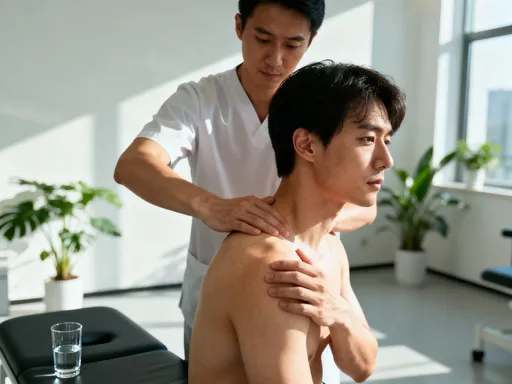
While many view massage as a luxury or occasional treat, its therapeutic value extends far beyond temporary relaxation. When practiced regularly, massage therapy becomes a functional part of physical maintenance. Different techniques serve specific purposes: Swedish massage promotes general circulation and lymphatic drainage; deep tissue work targets chronic muscle tension; myofascial release addresses restrictions in the connective tissue that surrounds muscles. Each method contributes to improved tissue health, joint mobility, and overall physical function.
One of the most significant benefits of massage is its ability to break up adhesions—areas where muscle fibers or fascia have become stuck together due to injury, overuse, or prolonged immobility. These adhesions can restrict movement, cause referred pain, and alter posture. Through sustained pressure and specific strokes, massage helps restore glide between tissue layers, allowing muscles to contract and lengthen more efficiently. This is especially important for individuals who spend long hours sitting, as hip flexors, hamstrings, and spinal muscles often shorten and tighten over time.
Beyond structural improvements, massage also influences the nervous system. Touch activates the vagus nerve, which plays a central role in regulating stress, digestion, and heart rate. This explains why many people feel calmer, sleep better, and even experience reduced anxiety after a session. The effects are not just emotional; they are physiological. Cortisol, the primary stress hormone, has been shown to decrease following massage, while serotonin and dopamine—neurotransmitters linked to mood and well-being—tend to rise. For women managing the emotional and physical demands of family and work, this dual benefit is invaluable.
Sleep quality, in particular, is closely tied to massage frequency. Poor sleep exacerbates pain, weakens immunity, and impairs cognitive function. Regular massage helps regulate circadian rhythms by reducing physical discomfort and calming the nervous system, making it easier to fall asleep and stay asleep. Over time, this creates a positive feedback loop: better sleep leads to improved recovery, which reduces the need for pain medication and increases energy for daily activities. When viewed not as a reward but as a recovery tool, massage becomes an essential investment in long-term vitality.
Why Routine Beats Intensity
Many people wait until pain becomes unbearable before seeking bodywork, treating acupuncture or massage as emergency interventions. But like dental hygiene or cardiovascular exercise, the greatest benefits come from consistency, not intensity. The body adapts to repeated, predictable input. Just as brushing your teeth daily prevents plaque buildup, weekly sessions prevent the accumulation of muscular tension and nervous system dysregulation. Sporadic treatments may offer temporary relief, but they don’t allow for lasting structural or neurological changes.
Physiologically, tissues respond best to regular stimulation. Muscles, fascia, and nerves have memory—they adapt to habitual postures and movement patterns. To shift these patterns, the body needs consistent reinforcement. A single deep tissue massage might loosen tight areas, but without follow-up, muscles often revert to their previous state within days. Weekly sessions provide the repetition needed to retrain soft tissues, improve joint alignment, and support new movement habits. This is especially important for those recovering from minor injuries or managing chronic conditions like tension-related back pain or repetitive strain.
The nervous system also benefits from routine. Each session acts as a reset, helping to lower baseline stress levels and improve resilience. Over time, this leads to a more balanced autonomic response—less reactivity to daily stressors, better emotional regulation, and improved physical recovery. The psychological aspect is equally important. Knowing that care is scheduled creates a sense of stability and self-worth. It sends a message: “I am worth the time and attention.” This mindset shift reinforces the habit, making it easier to maintain over the long term.
Moreover, regular appointments allow practitioners to track progress and adjust techniques as needed. A therapist who sees you weekly can notice subtle changes—a slight improvement in shoulder mobility, reduced frequency of headaches, better posture—and tailor the treatment accordingly. This continuity of care is difficult to achieve with infrequent visits. It transforms bodywork from a reactive service into a proactive health strategy. The goal isn’t perfection; it’s steady, sustainable progress. And like any habit, the key is repetition, not rarity.
Building a Sustainable Self-Care Schedule
Fitting weekly acupuncture or massage into a busy life requires planning, but it’s far from impossible. The first step is to treat these sessions as non-negotiable appointments, just like doctor visits or school pickups. Scheduling them at the same time each week—such as every Thursday afternoon or Saturday morning—helps anchor the habit. Consistency in timing reduces decision fatigue and increases adherence. Over time, it becomes a natural part of the rhythm of life, not an extra burden.
Integration with existing routines also enhances sustainability. Some women find it helpful to schedule sessions after a workout, combining physical exertion with recovery. Others pair it with personal time—listening to a podcast, journaling, or enjoying a quiet walk afterward. These small rituals reinforce the value of the practice and make it more enjoyable. The key is to design a system that fits your lifestyle, not one that feels like an obligation.
Budgeting is another important consideration. While weekly sessions represent a financial commitment, they can reduce long-term healthcare costs by preventing chronic pain, decreasing reliance on medication, and improving overall function. Many insurance plans now cover acupuncture for specific conditions, and some massage therapists offer package rates or sliding scales. Viewing this care as an investment—like quality shoes or a reliable car—shifts the perspective from expense to necessity. It’s not about spending more; it’s about spending wisely on health.
Tracking progress can also boost motivation. Keeping a simple journal to note changes—such as improved sleep, reduced stiffness, or greater ease in movement—helps recognize subtle benefits that might otherwise go unnoticed. These small wins build confidence and reinforce the habit. It’s not about dramatic transformations; it’s about gradual, cumulative improvement. The most successful routines are not those that are perfect, but those that are maintained. And maintenance, not intensity, is what leads to lasting well-being.
When to Seek Professional Guidance
While regular acupuncture and massage offer significant benefits, they are not substitutes for medical diagnosis or treatment. It’s essential to consult licensed professionals who understand anatomy, pathology, and safe practice. A qualified acupuncturist should be certified by a recognized board, and a massage therapist should hold a valid license and have training in therapeutic techniques. These credentials ensure that care is delivered safely and effectively.
There are times when bodywork should be approached with caution or avoided altogether. Conditions such as deep vein thrombosis, certain cancers, infections, or acute injuries require medical evaluation before any hands-on therapy. Pregnant women can benefit from prenatal massage and acupuncture, but only when performed by practitioners trained in maternal care. Similarly, individuals with chronic pain conditions like fibromyalgia or autoimmune disorders should work with therapists who understand their specific needs and limitations.
Collaboration with healthcare providers is key. If you’re managing a health condition, inform your primary care provider about your use of complementary therapies. Many doctors now recognize the value of integrative care and may even recommend acupuncture or massage as part of a broader treatment plan. This team-based approach ensures that all aspects of health are addressed safely and cohesively. It also prevents conflicting advice and reduces the risk of unintended harm.
Self-treatment, while appealing, carries risks. Online videos or apps may suggest acupressure points or DIY massage tools, but without proper knowledge, these can lead to injury or worsen existing conditions. The body is complex, and individual responses vary widely. What works for one person may not be appropriate for another. Professional guidance ensures that care is tailored to your unique physiology, history, and goals. It’s not about dependence; it’s about expertise. Just as you wouldn’t perform your own dental surgery, it’s wise to trust trained professionals with your physical well-being.
Long-Term Benefits: Beyond Pain Relief
After two years of weekly sessions, the benefits extend far beyond the absence of pain. There’s a deeper sense of alignment—physical, emotional, and mental. Movements feel smoother, breathing comes more easily, and there’s a noticeable increase in energy throughout the day. These changes aren’t dramatic; they’re subtle, cumulative, and profoundly stabilizing. What began as a response to occasional back tightness has evolved into a cornerstone of overall health.
Improved sleep is one of the most consistent outcomes. Falling asleep faster, staying asleep longer, and waking with less stiffness have become the norm. This isn’t just about comfort; it’s about cellular recovery. During deep sleep, the body repairs tissues, balances hormones, and consolidates memory. When sleep improves, everything else follows—mood, focus, immunity, and resilience all benefit. Regular bodywork supports this cycle by reducing physical barriers to restful sleep.
Emotional well-being has also shifted. Chronic tension often carries an emotional load—frustration, irritability, a sense of being “on edge.” As the body releases stored tension, many report feeling lighter, more present, and better able to handle daily stressors. This isn’t a psychological fix, but a physiological one: when the body feels safer, the mind follows. The reduction in cortisol and the increase in mood-supporting neurotransmitters create a calmer internal environment, making it easier to navigate life’s challenges with grace.
Physical performance has improved as well. Simple tasks—carrying groceries, playing with children, gardening—feel less taxing. Range of motion has increased, posture has improved, and there’s greater awareness of body mechanics. This isn’t about athletic achievement; it’s about functional strength and ease in everyday life. The ability to move without discomfort is a form of freedom—one that’s easy to take for granted until it’s gone.
Ultimately, this routine has reshaped the relationship with my body. Instead of viewing it as something to be pushed, corrected, or endured, I now see it as a partner in well-being. The weekly sessions are not escapes from life, but returns to myself. They are acts of listening, honoring, and sustaining. In a world that often demands more than it gives, this practice is a quiet rebellion—a commitment to showing up for my own health, one week at a time. And that, more than any single benefit, is what keeps me coming back.