When Massage Backfires: The Hidden Traps Undermining Your Mental Calm
You think massage therapy is all about relaxation and relief—so did I. But what if it’s secretly fueling your anxiety instead of calming it? I learned the hard way that without the right approach, massage can disrupt psychological balance. From emotional overwhelm to dependency, there are hidden pitfalls no one talks about. This is what I discovered when I dug deeper into the mind-body connection. While many women in their 30s to 50s turn to massage as a refuge from daily stress—juggling family, work, and personal well-being—few are warned that the very act meant to soothe can sometimes unsettle. The truth is, massage is not a universal remedy. When applied without awareness, it may unintentionally amplify emotional sensitivity, trigger unresolved stress, or create reliance on external comfort. Understanding these risks isn’t about fear; it’s about empowerment. With the right knowledge, massage can still be a powerful ally in mental calm—when used wisely, intentionally, and in harmony with broader emotional health practices.
The Calm That Isn’t: Rethinking Massage and Mental Well-Being
For decades, massage therapy has been celebrated as a sanctuary for the weary. Advertisements promise deep relaxation, reduced tension, and a return to inner peace. For many women managing the rhythms of household responsibilities, caregiving, and personal goals, a massage appointment often feels like a rare act of self-care. Yet, beneath this comforting image lies a more complex reality. While massage can support nervous system regulation, it is not inherently calming for everyone. Some individuals report feeling jittery, emotionally raw, or even more anxious after a session. This contradiction challenges the widespread assumption that physical touch automatically leads to mental ease. The body and mind are deeply interconnected, and therapeutic touch can activate not only muscles but also the autonomic nervous system—sometimes triggering a stress response rather than suppressing it.
The nervous system, particularly the limbic system involved in emotion and memory, can react strongly to sustained physical contact. For those with a history of trauma, high stress sensitivity, or unresolved emotional burdens, the lowering of physical defenses during a massage may inadvertently open emotional floodgates. This does not mean massage is harmful, but it does mean the experience is not neutral. Clinical observations and patient reports have documented cases where individuals—especially those with anxiety disorders or high emotional reactivity—experienced increased heart rate, restlessness, or mood swings post-session. One anonymized case involved a 42-year-old woman who began weekly deep tissue massages to manage chronic back pain. Instead of relief, she noticed rising irritability and difficulty sleeping, only realizing later that the intense pressure was heightening her body’s stress signals rather than quieting them.
These experiences underscore the importance of viewing massage not as a passive treatment but as an active physiological and psychological intervention. The belief that “more pressure” or “longer sessions” equals better results can be misleading. In reality, effectiveness depends on alignment with an individual’s nervous system state, emotional history, and current mental load. Without this alignment, even well-intentioned massage can become a source of subtle distress. Recognizing this complexity allows women to move beyond blind trust in the process and instead approach massage with informed discernment. The goal is not to avoid massage altogether, but to engage with it in a way that truly supports mental calm rather than undermining it.
Pitfall #1: Ignoring Emotional Release as a Side Effect
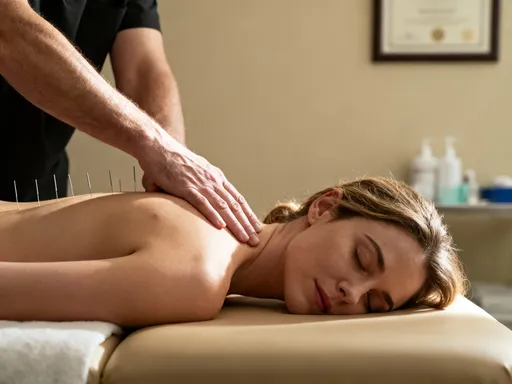
One of the least discussed aspects of massage therapy is its potential to unlock stored emotions. The body often retains physical tension in areas associated with past stress, grief, or trauma. When skilled hands work deeply into muscles—particularly in the shoulders, hips, or back—they may release not only knots but also suppressed emotional energy. It is not uncommon for clients to experience sudden tears, waves of sadness, or unexplained anger during or after a session. While these reactions are natural and even healthy, they are rarely anticipated or addressed in standard massage settings. Most spas and clinics focus on physical outcomes—improved circulation, reduced stiffness, pain relief—leaving emotional responses unacknowledged or dismissed as unusual.
This gap in care can leave individuals feeling confused or even ashamed of their reactions. A woman in her late 30s, for example, began crying unexpectedly during a session targeting her neck and shoulders. She later shared that she had not processed her father’s recent passing and had been functioning on emotional autopilot. The physical release seemed to mirror an emotional one, but without any guidance from the therapist, she left feeling unsettled and embarrassed. Emotional release during massage is not a sign of weakness or instability; it is a physiological phenomenon supported by research on somatic psychology. The body stores emotional memory, and touch can serve as a catalyst for its emergence. However, without preparation or integration, this release can feel destabilizing rather than healing.
To navigate this pitfall, clients and practitioners alike must normalize emotional responses as part of the therapeutic process. Pre-session conversations should include gentle inquiries about emotional well-being and openness to unexpected feelings. Post-session, a few minutes of quiet reflection or guided breathing can help ground the nervous system. Journaling immediately after a massage can also provide valuable insight into mood shifts and emotional patterns. Some holistic wellness centers now incorporate brief integration practices, such as offering clients a quiet space to sit, sip water, and process their experience. These small adjustments do not require clinical training but do require intention. When emotional release is honored rather than ignored, massage becomes not just a physical treatment but a respectful invitation to holistic healing.
Pitfall #2: Overreliance on Massage for Stress Management
In a world where stress is often chronic and unrelenting, it is understandable that many women seek external solutions for relief. Massage offers a tangible, immediate sense of comfort—a break from noise, demands, and responsibilities. However, when massage becomes the primary or sole strategy for managing stress, it risks fostering dependency rather than resilience. Relying on weekly or biweekly sessions as the only outlet for tension can unintentionally diminish a person’s sense of self-efficacy—the belief that they can regulate their own nervous system without professional intervention. While massage provides valuable short-term relief, it does not build long-term coping skills on its own.
True mental calm comes not from isolated moments of relaxation but from sustainable daily habits that support nervous system regulation. These include consistent sleep routines, mindful breathing, gentle movement, and emotional awareness. When massage is used in isolation, it functions like a temporary reset button rather than a foundation for lasting well-being. A woman in her early 50s, for instance, scheduled massages every week to cope with job-related anxiety. While she felt better immediately afterward, her anxiety returned with full force by midweek. Over time, she began to dread the gap between sessions, viewing each one as a necessary escape rather than a supportive tool. This pattern reflects a common trap: mistaking symptom relief for root-cause resolution.
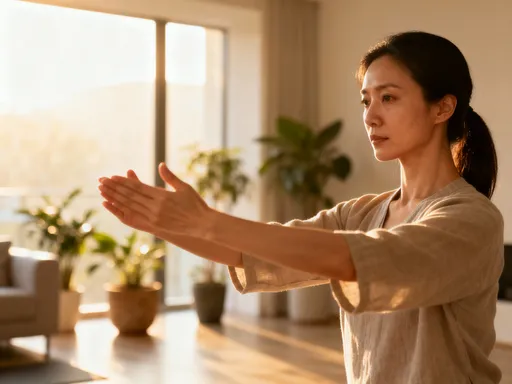
To avoid overreliance, massage should be integrated into a broader self-care framework. Think of it as one thread in a larger tapestry of wellness. Pairing massage with practices such as diaphragmatic breathing, daily stretching, or brief meditation can enhance its benefits and reduce dependency. For example, learning to recognize early signs of tension—tight jaw, shallow breath, clenched fists—allows for timely self-intervention before stress escalates. Scheduling massage less frequently but more intentionally—such as during high-stress seasons or after intense physical exertion—can also shift its role from crutch to complement. The goal is not to eliminate massage but to use it strategically, ensuring it supports rather than replaces personal resilience.
Pitfall #3: Mismatched Techniques and Personal Sensitivity
Not all massage techniques are suitable for all individuals, yet many spas offer standardized packages with little customization. A one-size-fits-all approach fails to account for personal differences in sensory processing, pain tolerance, and nervous system sensitivity. Women who identify as highly sensitive or who live with conditions such as fibromyalgia, chronic fatigue, or anxiety disorders may find that certain massage styles—particularly deep tissue or intense myofascial release—overwhelm rather than soothe. The pressure, environment, and even scents used in a session can contribute to sensory overload, leading to post-massage fatigue, headaches, or emotional dysregulation.
Sensory sensitivity is not a flaw; it is a neurological trait shared by a significant portion of the population. For these individuals, a loud massage room, strong essential oils, or firm pressure can activate the sympathetic nervous system—the body’s “fight or flight” response—rather than the parasympathetic “rest and digest” state. This means that instead of calming down, the body may perceive the experience as a threat, increasing cortisol levels and heart rate. One client, a 38-year-old mother of two, reported feeling “wired and shaky” after a hot stone massage, despite enjoying the warmth. She later realized the combination of heat, pressure, and lavender scent—though calming for others—was too stimulating for her nervous system.
To prevent mismatched experiences, a personalized assessment should precede any massage session. This includes discussing medical history, current stress levels, and sensory preferences. Clients should feel empowered to communicate their needs without guilt—asking for lighter pressure, no aromatherapy, or shorter sessions is not rudeness; it is self-awareness. Therapists, in turn, should be trained to adapt their approach based on feedback and to recognize signs of overstimulation. Gentler modalities such as Swedish massage, craniosacral therapy, or reflexology may be more appropriate starting points for sensitive individuals. Creating a quiet, low-sensory environment—dim lighting, minimal sound, neutral scents—can also enhance comfort. When technique aligns with personal sensitivity, massage becomes a truly restorative experience.
Pitfall #4: The Therapist-Client Boundary Blur
The intimate nature of massage—lying face down, eyes closed, in a private room—creates a unique emotional vulnerability. While most therapists maintain professional boundaries, the power dynamic and physical closeness can sometimes lead to unintended emotional entanglement. Clients may feel compelled to share personal struggles, seek emotional support, or develop a sense of dependency on their therapist. In some cases, therapists may reciprocate by offering advice beyond their scope or engaging in casual conversation that blurs the line between care and friendship. While these interactions may feel comforting in the moment, they can compromise psychological safety and undermine the therapeutic integrity of the session.
Professional boundaries are not cold or distant; they are protective. They ensure that the session remains focused on physical well-being and that emotional disclosures do not create confusion or attachment. A clear boundary allows the client to relax without fear of judgment or over-involvement. When boundaries are unclear, clients may leave feeling emotionally exposed or uncertain about the nature of the relationship. This is especially important for women navigating life transitions—divorce, empty nesting, career changes—when the need for connection is high. The massage table should not become a substitute for therapy or friendship, no matter how nurturing the environment feels.
Choosing a certified, ethically trained practitioner is essential. Look for credentials from recognized institutions and evidence of continuing education in professional conduct. A reputable therapist will welcome questions about their approach, respect silence during the session, and avoid personal disclosures. If emotional topics arise, they should gently redirect the conversation or suggest speaking with a mental health professional. Clients, too, can protect their emotional well-being by reflecting on their motivations: Are they seeking physical relief or emotional comfort? Being honest about this distinction helps maintain clarity and ensures that massage remains a safe, contained experience. When boundaries are honored, both parties benefit—clients receive focused care, and therapists uphold the integrity of their practice.
Rebuilding Balance: How to Use Massage Wisely
To harness the true benefits of massage without falling into its hidden traps, a thoughtful, intentional approach is required. Start by clarifying your intention: Are you seeking pain relief, emotional release, or general relaxation? Your goal should guide the type of massage, frequency, and setting. Next, choose a method that aligns with your body’s needs and sensitivity level. For those new to massage or prone to anxiety, gentler techniques such as Swedish or lymphatic drainage may be more suitable than deep tissue work. Begin with shorter sessions—30 to 45 minutes—to observe how your body and mind respond before committing to longer treatments.
Monitoring your response is a crucial step often overlooked. Keep a simple journal to note your mood, energy level, and physical sensations before and after each session. Over time, patterns may emerge—perhaps certain techniques leave you energized while others cause fatigue. This self-awareness empowers you to make informed choices. Integration is equally important. After a massage, allow time for quiet reflection. Avoid rushing back into daily demands. Instead, practice grounding techniques such as slow breathing, mindful walking, or sipping herbal tea in silence. These small rituals help your nervous system transition smoothly and enhance the calming effects of the session.
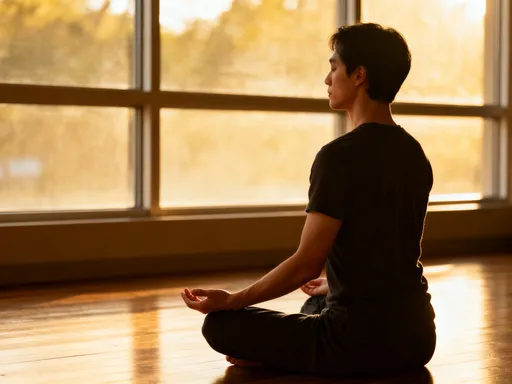
For deeper emotional balance, consider combining massage with other evidence-based practices. Mindfulness meditation, yoga, or breathwork can strengthen your ability to self-regulate and reduce reliance on external interventions. If you are working with a therapist, discuss how massage fits into your overall care plan. Some mental health professionals view body-based therapies as complementary tools, especially for clients processing trauma or chronic stress. The key is synergy—using massage not as a standalone solution but as one component of a holistic well-being strategy. When used with awareness, massage can indeed support mental calm, but only when it is part of a larger, intentional approach to health.
When to Seek Help: Knowing Massage Isn’t Enough
There is no shame in recognizing when self-care practices, including massage, are not sufficient to manage emotional distress. Persistent anxiety, unexplained mood swings, difficulty sleeping, or feelings of numbness may indicate the need for professional mental health support. Massage can provide comfort, but it cannot resolve underlying psychological conditions such as depression, PTSD, or chronic anxiety disorders. These require clinical evaluation and treatment by licensed therapists, counselors, or medical doctors. Viewing massage as a complement to—rather than a replacement for—professional care ensures that emotional well-being is addressed with the depth it deserves.
Women in midlife may face unique psychological challenges—hormonal shifts, identity transitions, caregiving fatigue—that go beyond physical tension. While massage may ease some symptoms, it does not address the root causes of emotional imbalance. If you find yourself relying on massage to avoid difficult feelings or using it to escape daily life, it may be time to explore therapy or counseling. Talking to a mental health professional offers a safe space to process emotions, develop coping strategies, and build long-term resilience. Unlike massage, which offers temporary relief, therapy equips you with tools to navigate life’s challenges with greater clarity and strength.
Ultimately, true mind-body harmony comes from informed choices. Understanding the potential pitfalls of massage is not about fear or avoidance—it is about empowerment. When you approach massage with awareness, clear intentions, and realistic expectations, it can remain a valuable part of your wellness routine. Combine it with sustainable habits, professional support when needed, and honest self-reflection, and you create a foundation for lasting calm. Your well-being is not a single treatment away; it is built through consistent, compassionate choices that honor both body and mind.