How I Fixed My Health with Science-Backed TCM Tweaks
For years, I felt constantly drained, unfocused, and off—despite eating well and exercising. Frustrated, I turned to traditional Chinese medicine (TCM), not for miracles, but for balance. What I found wasn’t magic, but a science-aligned approach to energy, digestion, and sleep. By adjusting daily habits using TCM principles backed by modern research, I saw real improvements. This is how I made it work—no myths, just methods that made a difference.
The Hidden Imbalance: Why Feeling "Meh" Isn’t Normal
Many women in their 30s to 50s describe a persistent state of "just getting by"—tired but not sick, stressed but not unwell. They accept bloating after meals, difficulty waking up, or brain fog in the afternoon as inevitable parts of life. In Western medicine, these symptoms often fall below the threshold for diagnosis. But in traditional Chinese medicine, they are not dismissed—they are signals. TCM interprets such patterns as early signs of imbalance in the body’s vital forces: qi (energy), blood, yin, and yang. These imbalances often begin subtly, rooted in long-term lifestyle habits, emotional stress, or poor daily rhythms.
For example, chronic low-grade fatigue and irritability may point to Liver Qi stagnation—a TCM pattern linked to the body’s stress response. Modern physiology recognizes that prolonged stress dysregulates the hypothalamic-pituitary-adrenal (HPA) axis, increasing cortisol and disrupting digestion, sleep, and mood. Similarly, frequent bloating, sluggish digestion, and post-meal fatigue may reflect Spleen Qi deficiency. In TCM, the Spleen governs transformation and transportation of food and fluids. Scientifically, this aligns with impaired digestive enzyme activity, reduced gut motility, and microbiome imbalance—all of which affect nutrient absorption and systemic inflammation.
The power of TCM lies in its sensitivity to these early warnings. Rather than waiting for disease to manifest, it encourages proactive adjustment. A woman who notices she feels heavier and more fatigued each week can use these clues to reevaluate her routines. Are meals rushed? Is sleep inconsistent? Is stress unmanaged? TCM teaches that the body speaks through symptoms, and listening early can prevent deeper dysfunction. This preventive mindset resonates with modern functional medicine, which also emphasizes root-cause analysis over symptom suppression.
TCM Meets Science: What Research Says About Energy Flow
The concept of qi—often translated as "vital energy"—has long been misunderstood as mystical or unscientific. But when examined through a physiological lens, qi begins to resemble measurable biological processes. In TCM, qi flows through meridians, supporting organ function, immunity, and emotional regulation. While meridians do not appear as physical structures under a microscope, research in neuroanatomy and connective tissue has revealed fascial planes and neural pathways that closely follow traditional meridian routes. These pathways may serve as communication networks, integrating body systems in ways science is only beginning to understand.
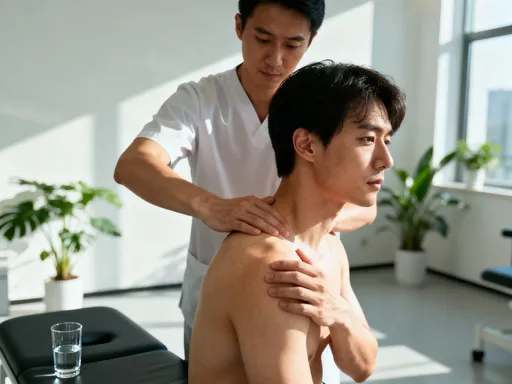
One of the strongest intersections between TCM and modern science lies in the study of acupuncture. Numerous clinical trials and meta-analyses have demonstrated that acupuncture can modulate the autonomic nervous system, reducing sympathetic ("fight-or-flight") dominance and enhancing parasympathetic ("rest-and-digest") activity. This shift helps lower heart rate, improve digestion, and reduce inflammation—effects that mirror TCM’s goal of restoring balance between yin and yang. For instance, stimulating the acupuncture point PC6 (Neiguan) has been shown in randomized controlled trials to reduce nausea and improve heart rate variability, a marker of nervous system resilience.
Moreover, functional MRI studies have observed that acupuncture at specific points activates corresponding regions in the brain, suggesting a neurophysiological basis for its effects. These findings do not "prove" TCM in its entirety, but they validate its frameworks as plausible models for understanding body regulation. Rather than viewing TCM as an alternative to Western medicine, it is more accurate to see it as a complementary system—one that offers a different language and perspective for addressing chronic, functional health issues. When used thoughtfully, alongside medical care, it can enhance overall well-being without replacing necessary treatments.
The Gut-Emotion Link: Digestion as the Core of Wellness
In TCM, the Spleen and Stomach are considered the foundation of postnatal qi—the energy derived from food. A strong digestive system ensures clear thinking, stable moods, and sustained energy. When digestion is weak, dampness and phlegm can form, leading to bloating, fatigue, and mental fogginess. These descriptions may sound symbolic, but they closely parallel modern understandings of gut health. The gut-brain axis, a bidirectional communication network between the gastrointestinal tract and the central nervous system, explains how digestive disturbances can influence anxiety, depression, and cognitive function.
For example, an imbalanced gut microbiome can increase intestinal permeability ("leaky gut"), allowing inflammatory molecules to enter the bloodstream and trigger systemic inflammation. This process has been linked to mood disorders and chronic fatigue. TCM’s recommendation to eat warm, cooked foods and avoid excessive raw or cold items aligns with the idea of preserving digestive warmth and enzyme activity. Cold foods can slow gastric motility and reduce secretion of digestive juices, making it harder to break down nutrients efficiently. This is especially relevant for women with a tendency toward cold limbs, loose stools, or menstrual discomfort—signs of deficient Spleen yang in TCM.
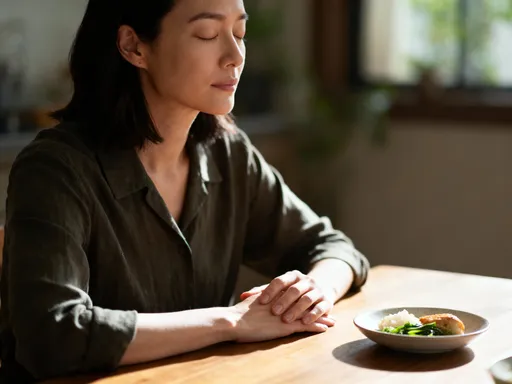
Practical steps to support digestive fire include eating meals at regular times, chewing thoroughly, and avoiding overeating. Starting the day with a warm breakfast—such as oatmeal with ginger or congee—can gently activate the digestive system. Limiting iced drinks and late-night snacks helps prevent the accumulation of dampness. Mindful eating, a practice encouraged in both TCM and modern wellness, allows the parasympathetic nervous system to engage, improving nutrient absorption and reducing bloating. Over time, these small habits can lead to noticeable improvements in energy, mental clarity, and emotional resilience.
Sleep, Yin, and the Art of Recovery
Poor sleep is one of the most common complaints among middle-aged women, particularly during perimenopause. TCM views insomnia or restless sleep through the lens of yin and yang imbalance. Yin represents cooling, nourishing, and calming energy; yang is active, warming, and energizing. When yin is deficient—often due to chronic stress, overwork, or hormonal shifts—the body lacks the "coolant" needed to quiet the mind at night. This pattern, known as Heart yin deficiency or Liver fire rising, manifests as difficulty falling asleep, waking between 1–3 a.m., or feeling unrested despite adequate hours in bed.
Modern science offers a parallel explanation: dysregulation of cortisol and melatonin rhythms. Cortisol, the stress hormone, should peak in the morning and decline at night. But chronic stress can flatten this rhythm, leaving cortisol elevated in the evening and interfering with sleep onset. Blue light exposure from screens suppresses melatonin, the hormone that signals darkness and prepares the body for rest. This disruption mirrors TCM’s concern about "fire" rising at night—excess yang activity that prevents the descent into restful yin states.
To nourish yin and support restorative sleep, several science-backed strategies can be integrated. Establishing a consistent wind-down routine—such as dimming lights, drinking a calming herbal infusion, or practicing gentle stretching—signals the body that it is time to shift into parasympathetic dominance. Sour jujube seed (Ziziphus spinosa), a traditional herb used for centuries in TCM, has been studied for its sedative and anxiolytic effects. Clinical trials suggest it may improve sleep quality and reduce sleep latency by modulating GABA receptors, similar to some prescription sleep aids but with fewer side effects.
In addition to herbal support, sleep hygiene practices are essential. These include avoiding screens at least one hour before bed, keeping the bedroom cool and dark, and maintaining a regular sleep schedule—even on weekends. Exposure to natural light in the morning helps reset the circadian clock, reinforcing the body’s natural rhythm. Over time, these habits help restore balance between yin and yang, allowing for deeper, more restorative sleep and improved daytime energy.
Movement That Matches Your Body Type
Exercise is often promoted as universally beneficial, but TCM teaches that not all movement is suitable for everyone. A one-size-fits-all approach to fitness can lead to burnout, injury, or worsening fatigue—especially for women with underlying deficiencies. TCM assesses constitution through patterns: some individuals have excess heat or tension (excess patterns), while others suffer from low energy, cold limbs, or easy fatigue (deficiency patterns). Tailoring movement to one’s constitution ensures that exercise supports rather than depletes the body.
For those with excess patterns—such as high stress, irritability, or hypertension—calming, grounding activities like tai chi, qigong, or slow walking in nature are ideal. These practices reduce sympathetic overactivity and promote parasympathetic recovery. Tai chi, in particular, has been shown in clinical studies to improve balance, reduce blood pressure, and enhance mood in middle-aged and older adults. Its slow, deliberate movements synchronize breath and motion, creating a meditative effect that aligns with TCM’s goal of smoothing Liver Qi and calming the Shen (spirit).
For individuals with deficiency patterns—such as chronic fatigue, low immunity, or poor circulation—gentle tonifying exercises are more appropriate. Practices like restorative yoga or short daily walks help build qi without overexertion. The key is consistency over intensity. Pushing through fatigue with high-intensity workouts may provide short-term endorphin boosts but can exacerbate adrenal fatigue and deplete yin over time. TCM emphasizes "moving the qi without scattering it," meaning movement should invigorate, not exhaust.
Listening to the body’s signals is crucial. If exercise leaves you more tired the next day, it may be too much. If you feel energized and centered, you’ve likely found the right balance. Integrating short movement breaks throughout the day—such as stretching, deep breathing, or a five-minute walk after meals—can also support circulation and digestion without strain. This mindful approach to movement fosters long-term vitality rather than short-term performance.
Daily Rhythms: Syncing Life with Natural Cycles
TCM includes a concept known as the "organ clock," a 24-hour cycle that assigns two-hour windows to each organ system, indicating when it is most active. For example, the Large Intestine is strongest between 5–7 a.m., making it an ideal time for bowel movements, while the Heart governs 11 a.m.–1 p.m., a period suited for peak activity. While the organ clock is a symbolic framework, it reflects a deep understanding of circadian biology—the internal rhythms that regulate hormones, metabolism, and cellular repair.
Modern research confirms that aligning daily habits with natural light-dark cycles optimizes health. Cortisol, insulin, and melatonin all follow circadian patterns, and disrupting these rhythms—through irregular sleep, late eating, or nighttime screen use—increases the risk of metabolic syndrome, weight gain, and mood disorders. Eating the largest meal at midday, when digestive fire is strongest, supports efficient metabolism. In contrast, late dinners or snacking before bed forces the digestive system to work when it should be resting, contributing to bloating, poor sleep, and weight retention.
Simple adjustments can honor these natural rhythms. Exposing yourself to natural sunlight within 30 minutes of waking helps set the circadian clock and boosts daytime alertness. Eating breakfast within an hour of rising signals the body to start the metabolic day. Finishing dinner by 7 p.m. allows for proper digestion before sleep. Going to bed by 10:30 p.m. supports the liver’s detoxification processes, which peak between 1–3 a.m. These habits may seem minor, but their cumulative effect is profound. Over time, they enhance energy, improve digestion, and stabilize mood—without requiring drastic changes.
Putting It All Together: A Real-Life Adjustment Plan
Adopting TCM principles does not require abandoning modern life or embracing rigid rules. The goal is integration, not perfection. A sustainable approach begins with self-observation: tracking energy levels, digestion, sleep, and mood over a week to identify patterns. Are you sluggish after lunch? Do you wake at the same time each night? Is stress affecting your appetite? These observations provide clues for targeted adjustments.
Start with one or two manageable changes. If digestion is a concern, focus on eating warm, cooked meals and chewing thoroughly. If sleep is poor, prioritize a consistent bedtime and reduce screen time in the evening. If stress is high, incorporate five minutes of deep breathing or tai chi each morning. Track the effects over two to three weeks. Did energy improve? Did bloating decrease? Use this feedback to refine your approach.
It’s also important to work with qualified healthcare providers. A licensed acupuncturist or integrative medicine practitioner can help interpret symptoms and recommend personalized strategies. Herbal supplements, while beneficial, should be used with professional guidance to avoid interactions or contraindications. Blood tests can rule out underlying conditions like thyroid dysfunction or nutrient deficiencies that may mimic TCM patterns.
Remember, the aim is not to "fix" yourself overnight but to cultivate a lifestyle that supports long-term balance. TCM offers a roadmap—not as a replacement for science, but as a wisdom tradition that complements it. By combining ancient insights with modern knowledge, women can reclaim their vitality in a way that feels natural, sustainable, and deeply personal.
Improving health isn’t about extreme fixes, but small, science-informed adjustments rooted in wisdom. Traditional Chinese medicine, when approached with curiosity and caution, offers a powerful framework for balance. By listening to the body and aligning habits with natural rhythms, lasting vitality becomes not a goal—but a way of life. Always consult a qualified practitioner before making significant health changes.