How I Tamed My Emotions with Simple Daily Moves
Ever feel like your emotions hijack your day? You're not alone. Stress, anxiety, and mood swings are real—and exhausting. But what if small, consistent movements could reset your mind? I discovered that physical activity isn’t just for the body; it rewires how I handle emotions. No magic, no hype—just science-backed, doable steps that actually work. Let me walk you through how exercise became my quiet superpower.
The Emotional Rollercoaster: Why Feelings Feel So Heavy
Many women in their 30s, 40s, and 50s find themselves caught in an invisible storm of emotions. It might start with a short temper over a misplaced key, a sudden wave of sadness during a quiet moment, or the heavy fog of emotional numbness that lingers for days. These aren’t signs of weakness—they’re signals. Modern life, with its constant demands from family, work, and personal responsibilities, often leaves little room for emotional recovery. The nervous system, designed to respond to threats, stays activated long after the crisis has passed. This prolonged state, known as chronic stress, floods the body with cortisol and adrenaline. While these hormones are essential in true emergencies, their persistent presence disrupts sleep, clouds thinking, and makes emotional regulation far more difficult.
It’s important to understand that managing emotions is not about suppressing them. Emotional suppression can lead to greater outbursts later or contribute to long-term anxiety and fatigue. Instead, regulation means creating space between feeling and reaction. The body plays a central role in this process. When emotions surge, they manifest physically—tight shoulders, shallow breathing, a racing heart. These physical symptoms aren’t separate from the emotional experience; they are part of it. This is where movement becomes a bridge. By engaging the body, we send new signals to the brain: signals of safety, control, and presence. The nervous system begins to shift from a state of fight-or-flight to one of calm and connection. This shift doesn’t happen overnight, but it is accessible through consistent, gentle action.
For many, the idea of emotional regulation feels abstract or even unattainable. But when we reframe it as a physical practice—as something we can move toward, quite literally—it becomes more tangible. The body remembers rhythm, breath, and balance. When we honor these natural rhythms through movement, we give our emotions a healthier outlet. Over time, this practice reduces the intensity and frequency of emotional spikes. It doesn’t erase life’s challenges, but it builds resilience. Women who feel overwhelmed by daily pressures often report that even a brief physical reset helps them respond to their families and responsibilities with greater clarity and patience. The key lies in recognizing that emotional well-being is not separate from physical well-being—they are deeply intertwined.
Movement as Medicine: What Science Actually Says
Scientific research consistently supports the powerful connection between physical activity and emotional health. Numerous studies have shown that regular movement, even at low intensity, leads to measurable improvements in mood, anxiety levels, and cognitive function. One of the primary reasons lies in brain chemistry. Physical activity stimulates the release of endorphins—natural compounds that reduce pain perception and trigger positive feelings. These are often called the body’s “feel-good” chemicals. But endorphins are only part of the story. Exercise also increases the production of serotonin, a neurotransmitter closely linked to mood stability and emotional resilience. Low serotonin levels are associated with depression and irritability, and many effective treatments aim to support its function naturally or pharmacologically.
Dopamine, another key neurotransmitter, is also influenced by movement. Known as the “reward” chemical, dopamine plays a role in motivation, focus, and pleasure. When we move regularly, our brain becomes more efficient at using dopamine, which can help combat feelings of fatigue and emotional flatness. Importantly, these benefits do not require intense workouts. A 2021 meta-analysis published in the journal Frontiers in Psychology found that even light physical activity—such as walking, gardening, or gentle stretching—was associated with significant reductions in anxiety and depressive symptoms. The study emphasized that consistency mattered more than intensity. People who moved daily, even for short periods, reported better emotional control than those who engaged in longer but irregular exercise.
Another critical finding is the impact of movement on the autonomic nervous system. Chronic stress keeps the sympathetic nervous system—the “on” switch—constantly active. Physical activity, especially rhythmic and mindful forms, activates the parasympathetic nervous system—the “off” switch—promoting relaxation and recovery. This physiological shift is not just temporary; over time, it can retrain the body’s stress response. Brain imaging studies have shown that individuals who maintain regular movement routines have increased activity in the prefrontal cortex, the area responsible for decision-making and emotional regulation. This means they are better equipped to pause before reacting, to think before speaking, and to respond rather than react. The science is clear: movement is not a luxury or a punishment for eating too much—it is a foundational pillar of emotional health.
My Turning Point: When I Finally Listened to My Body
For years, I thought I could think my way out of stress. I read self-help books, tried journaling, and made endless to-do lists. But no matter how organized I became, I still felt emotionally fragile. I would snap at my children over small things, feel drained by midday, and lie awake at night replaying conversations. My body was sending signals—headaches, tightness in my chest, constant fatigue—but I ignored them, believing I just needed to push through. The turning point came during a routine doctor’s visit. My blood pressure was elevated, and my doctor asked, “When was the last time you moved your body just for yourself?” That question stopped me. I realized I hadn’t done anything physical for my own well-being in years. I wasn’t injured or ill, but I was stagnant.
I decided to start small. The next morning, instead of reaching for my phone, I stepped outside and walked for ten minutes. No goal, no pace, just movement. Something shifted almost immediately. The fresh air, the rhythm of my steps, the simple act of being outside—it created a mental space I hadn’t felt in years. My thoughts slowed. The knot in my chest loosened. That small walk didn’t solve my problems, but it changed my relationship to them. I began to notice that on days I moved, even briefly, I was more patient, more present. I didn’t transform overnight. There were days I skipped walking, days I felt too tired, days I doubted it made a difference. But the moments when it helped—when I avoided a shouting match with my teenager or felt a surge of calm during a hectic morning—were enough to keep me going.
What surprised me most was how curiosity replaced guilt. Instead of berating myself for not doing enough, I began to wonder: What would happen if I stretched after dinner? Could dancing in the kitchen while making dinner change my mood? These small experiments felt playful, not punishing. I wasn’t chasing a perfect body or a dramatic transformation. I was learning to listen. And in that listening, I found a quiet strength. I realized that my body wasn’t the enemy of my emotions—it was the key to understanding them. Movement became less about fitness and more about feeling. It wasn’t a chore; it was a conversation. And over time, that conversation became the most reliable tool I had for emotional balance.
The 3 Core Movement Types That Actually Calm the Mind
Not all movement affects the body and mind in the same way. Understanding the different types of physical activity—and their unique emotional benefits—can help women choose what works best for their current state. The three core categories are aerobic exercise, strength training, and mindful movement. Each plays a distinct role in emotional regulation, and combining them creates a balanced approach to mental well-being.
Aerobic exercise—activities that raise the heart rate, such as brisk walking, cycling, or dancing—excels at releasing pent-up energy and tension. When emotions like frustration or anxiety build up, the body often responds with restlessness. Cardiovascular movement provides a healthy outlet for that energy. As the heart pumps faster, blood flow increases, and the brain receives more oxygen. This physiological shift supports mental clarity and reduces the intensity of emotional spikes. Even a 15-minute dance session in the living room can reset a stressful afternoon. The rhythmic nature of aerobic movement also has a meditative quality, helping to break the cycle of repetitive, anxious thoughts.
Strength training, which includes bodyweight exercises, resistance bands, or light weights, builds more than muscle. It builds confidence. Lifting, pushing, and pulling engage the body in a way that fosters a sense of capability and control. For women who feel emotionally overwhelmed or powerless, this physical empowerment can translate into greater emotional resilience. Studies show that resistance training reduces symptoms of anxiety and depression, likely due to its impact on brain-derived neurotrophic factor (BDNF), a protein that supports brain health and adaptability. The act of showing up, completing a set, and feeling stronger—even slightly—creates a feedback loop of self-trust.
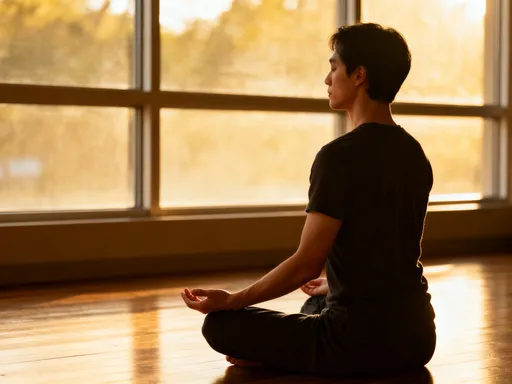
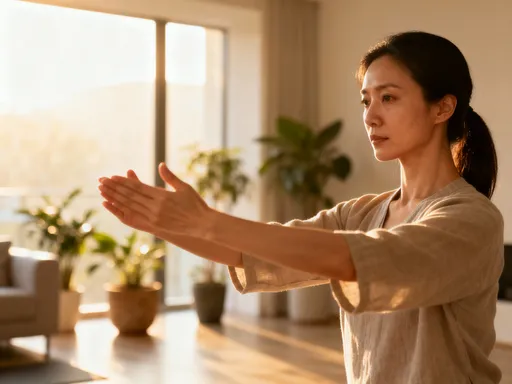
Mindful movement, such as stretching, tai chi, or slow walking, focuses on awareness and breath. This type of movement is especially helpful during times of high stress or emotional numbness. It activates the parasympathetic nervous system, signaling the body to relax. Unlike high-intensity workouts, mindful movement doesn’t demand energy—it restores it. A simple five-minute stretching routine in the morning can set a calmer tone for the day. The key is presence: paying attention to how the body feels, not how many reps are completed. This practice cultivates patience and self-compassion, qualities that naturally extend into emotional life.
Building Your Own Routine: Start Small, Stay Smart
One of the biggest barriers to movement is the belief that it must be long, intense, or perfectly structured. This mindset often leads to all-or-nothing thinking: “If I can’t do 30 minutes, I might as well do nothing.” The truth is, small actions compound over time. The most effective routines are built on consistency, not duration. The key is to start with something so easy it feels almost silly—like stretching for two minutes after brushing your teeth or walking around the block once a day. These “ridiculously easy” goals remove the pressure of performance and make success more likely.
Habit stacking—linking a new behavior to an existing one—can increase adherence. For example, do five shoulder rolls after hanging up a phone call, or practice deep breathing while waiting for the kettle to boil. These micro-movements add up and help integrate physical awareness into daily life. Over time, they become automatic, like brushing your teeth or locking the door. Another helpful strategy is tracking progress in a simple way, such as marking an “X” on a calendar for each day you move. This visual cue reinforces consistency and provides a sense of accomplishment without judgment.
Common obstacles like lack of time, low motivation, or self-criticism can derail even the best intentions. To address time constraints, think in terms of “movement snacks”—short bursts of activity scattered throughout the day. A three-minute walk after lunch, a few squats while folding laundry, or gentle neck rolls during a work break all count. Motivation will fluctuate, so relying on it alone is unreliable. Instead, focus on commitment to the habit, not the feeling. On days when energy is low, give yourself permission to do less—five minutes is still a win. And when self-judgment arises, respond with kindness. Remind yourself that showing up, however imperfectly, is an act of self-care.
When to Move—and When to Pause
Just as important as knowing how to move is knowing when to pause. The body sends signals, and learning to read them is essential for emotional balance. On days of high anxiety or panic, intense exercise might feel overwhelming. In these moments, gentle, rhythmic movement—like slow walking or mindful stretching—is often more effective than a high-intensity workout. The goal is not to burn off energy but to regulate the nervous system. Deep, coordinated breath paired with movement can calm the mind more effectively than pushing through exhaustion.
Conversely, when energy is low and emotions feel flat, a short burst of aerobic activity—like dancing to one song or a quick stair climb—can boost alertness and mood. The key is matching the movement to the emotional state. This requires self-awareness, which develops over time. Keeping a simple journal that notes mood and movement can help identify patterns. For example, you might notice that a 10-minute walk after work consistently improves your evening mood.
Rest is not the enemy of progress. In fact, rest is a vital part of emotional recovery. Overtraining—pushing the body too hard, too often—can increase cortisol levels and worsen mood. Signs of overexertion include persistent fatigue, irritability, trouble sleeping, and loss of motivation. When these appear, the wisest choice may be stillness. A rest day, a warm bath, or a few minutes of quiet breathing can be more healing than another workout. True self-care includes knowing when to move and when to simply be. This balance fosters long-term sustainability and prevents burnout.
Beyond the Workout: How Movement Changes Your Mindset
The benefits of regular movement extend far beyond the physical. Over time, a consistent practice reshapes the way women see themselves and their lives. Showing up for your body—even in small ways—builds self-trust. Each time you choose to move, you send a message: “I matter. My well-being is worth time and attention.” This quiet commitment strengthens emotional discipline. Just as you learn to push through the discomfort of a challenging stretch, you develop the capacity to sit with difficult emotions without reacting impulsively.
Greater self-awareness is another lasting benefit. As you tune into your body’s rhythms, you become more attuned to your emotional patterns. You might notice that certain situations trigger tension, or that specific movements reliably improve your mood. This awareness creates space—the ability to pause before responding, to choose how you engage with stress, to protect your energy. Patience, too, grows from this practice. Progress in movement is rarely linear, and the same is true for emotional growth. Learning to accept small steps, to celebrate consistency over perfection, fosters resilience in all areas of life.
Ultimately, movement becomes a form of daily mindfulness. It’s not about achieving a certain look or performance level. It’s about presence. It’s about showing up for yourself, day after day, in a world that often demands everything and gives little in return. This practice doesn’t erase life’s difficulties, but it creates a steadier inner foundation. From that foundation, women can navigate challenges with greater clarity, compassion, and strength. The body, when listened to, becomes a guide—not just to better health, but to a more balanced, intentional life.
Exercise isn’t just about fitness—it’s a daily conversation with your emotions. By moving regularly, even slightly, you build a quieter, steadier mind. It won’t fix everything, but it creates space to respond, not react. Start where you are. Your body already knows the way.