Joined 3 Online Communities Last Year: Here’s How My Work-Life Balance Finally Improved
Remember those evenings when you’d sit after work, scrolling mindlessly, feeling both tired and unfulfilled? I did. Last year, I felt constantly drained—work blurred into night, and I had no energy left for myself. Then I joined a few online communities not for distraction, but for connection and purpose. They didn’t replace rest, but they gave me structure, support, and small wins. This is how they quietly changed my rhythm—and my life.
The Burnout That No One Talks About
It didn’t start with a crisis. There was no dramatic collapse, no doctor’s warning, no missed family event that finally made me stop. Instead, it was a slow erosion—like water wearing down stone. I’d sit at my desk past 8 p.m., eating dinner over my keyboard, answering one more email “just to clear the deck.” My phone buzzed constantly, not with urgent calls, but with Slack messages, calendar reminders, and the soft ping of incoming tasks. I told myself I was being responsible. Efficient. Dedicated.
But the truth? I was running on fumes. My patience with my kids grew thin. I snapped at small things—a misplaced coffee mug, a song playing too loud. I stopped calling friends. Not because I didn’t care, but because I had nothing left to give. My evenings, meant for rest, became a blur of half-watched shows and endless scrolling. I wasn’t recharging. I was just… existing.
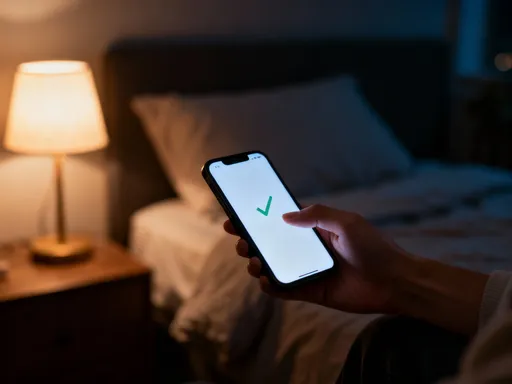
What surprised me most was how normal it felt. This wasn’t overtime for a big project. This was everyday life. Work wasn’t something I left behind at 5 p.m.; it lived in my pocket, on my nightstand, in the quiet corners of my mind. And no one seemed to notice—not even me—until I realized I hadn’t read a book for pleasure in over a year. That was the moment it hit: I wasn’t just busy. I was unbalanced. And I didn’t know how to fix it.
Why I Tried Online Communities (And Why I Was Skeptical)
When my sister suggested I join an online group for working moms, I almost laughed. My experience with online communities had been… underwhelming. I’d joined a few in the past—fitness challenges that turned into sales pitches, parenting forums full of judgment, Facebook groups where everyone seemed to have it all together while I was just trying to remember to pack lunch. It felt like performance, not support. I didn’t need more pressure. I needed peace.
But then she said something that stuck with me: “It’s not about fixing yourself. It’s about finding people who get it.” She wasn’t in a flashy group with thousands of members. She was in a small, invite-only community focused on work-life balance. No ads. No influencers. Just real conversations about setting boundaries, saying no, and actually enjoying weekends.
I decided to try one—just one—with a rule so low-bar it felt almost silly: post once a week. That’s it. No daily check-ins. No challenges. No pressure to share photos or achievements. Just a simple sentence now and then: “Today, I left work on time.” Or “I took a walk after dinner.” The goal wasn’t engagement. It was connection. And because the bar was so low, it didn’t feel like another task. It felt like a tiny act of self-care.
What I didn’t expect was how safe it felt. No one cheered like I’d climbed a mountain. No one offered unsolicited advice. They just said, “Me too.” And somehow, that was enough.
Finding the Right Spaces: Less Noise, More Meaning
Not every group worked. In fact, most didn’t. I joined one called “Hustle & Harmony” thinking it might help me manage both career and calm. Within days, it was clear: this wasn’t harmony. It was hustle dressed up as self-care. Posts were about 5 a.m. routines, productivity hacks, and “how I run three businesses and still make organic baby food.” I felt worse after scrolling—like I should be doing more, not less.
So I left. And that was the first real lesson: not every community is meant for you. The right ones don’t make you feel behind. They make you feel seen. The groups I stayed in had a few things in common. They were small—usually under 200 members. They had clear themes: “Mindful Work for Moms,” “Digital Detox for Real Life,” “Quiet Achievers.” And they were moderated. Not in a strict way, but with care. Posts that felt salesy or overly polished were gently redirected. The tone was warm, not performative.
What mattered most was honesty. People shared not their wins, but their struggles. “I cried at my desk today.” “I forgot my kid’s school event.” “I don’t know how to stop working.” And instead of judgment, there was support. “That sounds hard.” “You’re not alone.” “What do you need right now?”
Seeing others name the same quiet struggles made my own feel less shameful. When someone posted, “I turned off work notifications after 7 p.m. and actually stuck to it,” it didn’t feel like bragging. It felt like permission. Permission to set boundaries. To rest. To say, “This is enough.”
How Small Habits Built Big Shifts
At first, I just read. I’d log in once a week, scroll through the updates, and log out. But slowly, I started sharing—tiny things at first. “Took a 10-minute walk after dinner.” “Said no to a meeting I didn’t need to be in.” “Let the kids have cereal for dinner so I could sit outside.”
These weren’t grand achievements. But in the context of my life, they were victories. And the responses—simple, kind acknowledgments—made me feel seen in a way I hadn’t in years. “Love that for you.” “Same energy.” “So proud of you.” It wasn’t about praise. It was about recognition.
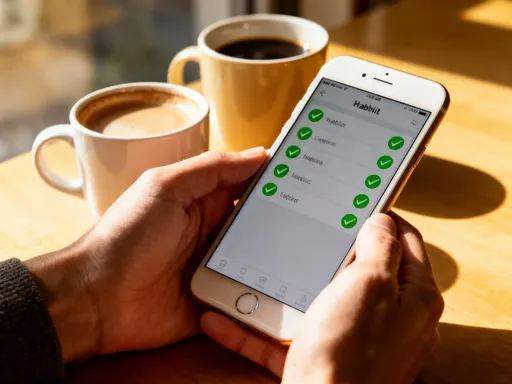
Over time, sharing became a habit. And that habit changed how I moved through my days. Before, I’d end the evening wondering where the time went. Now, I’d think, “What did I do for myself today?” That small question—prompted by the community—shifted my focus. It made me more intentional. More aware.
The community wasn’t pushing me to do more. It was helping me notice what I was already doing. And in doing so, it became a gentle accountability partner. Not in the “you must meet your goals” way, but in the “you’re not alone in trying” way. I started making small changes—not because I had to, but because I wanted to. I began scheduling short breaks. I started leaving my phone in another room during dinner. I even took a full weekend off from work emails—something I hadn’t done in years.
Turning Connection into Daily Practice
The support didn’t stay online. It started spilling into real life. One member shared her “shutdown ritual”—a 15-minute routine at the end of the workday: closing tabs, writing down tomorrow’s top three tasks, and lighting a candle. I tried it. Then posted about it. Others shared their versions: a cup of herbal tea, a gratitude journal, a five-minute stretch.
We started exchanging simple practices. Someone created a Spotify playlist called “Calm Commute” with soft piano and nature sounds. I added it to my drive home. Another member suggested “virtual coffee breaks”—15-minute video calls with no agenda, just presence. I paired up with a woman in Colorado, and every Thursday morning, we’d sip our coffee and talk about anything except work.
These weren’t time-consuming. They didn’t require apps or subscriptions. But they created rhythm. Structure. A sense of belonging. And here’s the thing: technology, which had once felt like the enemy, became part of the solution. Not the endless scroll, not the pings, not the pressure. But the intentional use of tools to create connection, calm, and clarity.
I didn’t need a new gadget or a fancy app. I just needed a space where I could be honest, where small steps were celebrated, and where I could borrow someone else’s courage until I found my own.
When It Didn’t Work (And What I Learned)
Not every group lasted. One I joined—focused on productivity—quickly became a source of stress. People posted their hourly schedules, tracked every minute of work, and shared “how I got promoted in six months” stories. I tried to keep up. I started tracking my time. I set aggressive goals. Within two weeks, I was more anxious than before.
I realized: not all communities are healing. Some amplify the very pressures we’re trying to escape. So I left. And I didn’t feel guilty. That was the second lesson: stepping back isn’t failure. It’s self-awareness. These spaces should serve you, not drain you.
Another time, I overcommitted. I joined a challenge to post every day for 30 days. By day 10, it felt like a chore. I was forcing shares just to check the box. So I paused. I didn’t announce it. I just stopped. And when I came back a few weeks later, no one asked where I’d been. No one judged. They just welcomed me back.
That taught me flexibility. These communities aren’t obligations. They’re tools. And like any tool, you use them when they help, and set them aside when they don’t. Balance isn’t about perfection. It’s about adjustment. Listening to your energy. Honoring your needs.
The Quiet Transformation: More Space, Less Stress
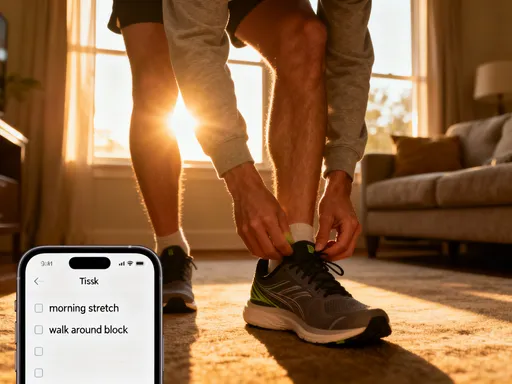
A year later, my life looks different—not because I’ve overhauled everything, but because I’ve made space for small, meaningful changes. Work hasn’t slowed down. My to-do list is still long. But my evenings feel fuller. I read before bed. I take walks without my phone. I say no more often—and without guilt.
The communities didn’t fix my life. They didn’t give me more hours in the day. But they gave me something just as valuable: a mirror and a safety net. A place to see myself clearly, and to know I’m not alone.
The biggest shift? A sense of agency. For years, I saw work-life balance as something that happened to me—something I either achieved or failed at. Now I see it as a practice. Something I shape every day, with small choices and gentle support.
And the technology that once felt like a constant demand? It’s become a bridge. Not to more work, more noise, more pressure—but to connection, calm, and community. I still use my phone. I still check emails. But now, I also use it to log into spaces where I’m reminded: you’re doing enough. You’re not behind. You’re not alone.
Balance isn’t a destination. It’s a daily return—to yourself, to your values, to the people and practices that sustain you. And sometimes, the most powerful tech isn’t the one that speeds things up. It’s the one that helps you slow down, breathe, and remember what matters.